Value Engineering
The saving gets drawn before it's built
We look for cost that adds price without adding value, plumbing and lighting fixtures, exterior trim, and prove every saving in CAD before you commit to it.
Chapter 01
Cutting cost without cutting the building
Value engineering isn't about a cheaper building. It's about finding the parts of a design that cost more than they're worth without anyone noticing, and taking that cost out while the look and the function stay exactly what you approved.
That distinction matters, because value engineering done wrong is just a downgrade with better paperwork. Done right, an owner who wasn't told anything changed wouldn't be able to point at what's different.
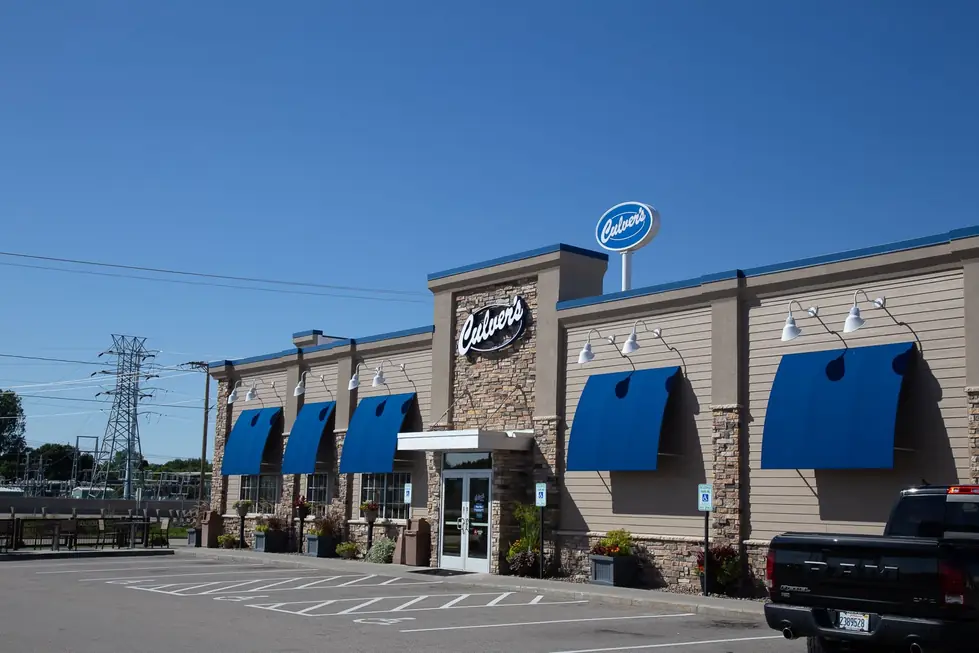
Cardinal Construction's Culver's restaurant project, an example of value-engineered commercial building
Where the money usually hides
Two places show up again and again when we review a set of specs: plumbing and lighting fixtures specified a full grade above what the space actually needs, and exterior trim detailed more intricately than the building's own architecture calls for. Both add real cost. Neither is visible enough to justify it once you've seen the alternative side by side.
We go through the spec line by line looking for that gap between what's written down and what the building actually needs to look and perform the way you want it to.
Chapter 03
CAD models and drawings prove the saving before it's committed
We don't ask you to take our word for a substitution. Every value engineering recommendation comes with a CAD 3D model and a 2D drawing, so you can see the fixture, the trim detail, or the material side by side against what was originally specified, before either one is ordered.
If the side by side doesn't look right to you, it doesn't happen. The whole point of drawing it first is that the decision gets made on paper, where it's free to change, instead of after the material is already on a truck.
Cardinal Construction, One-year labor warranty on every project. Call (920) 888-2251.